Where to go snorkelling in Alicante: 10 best spots
Diego (Aguayate) · October 2026
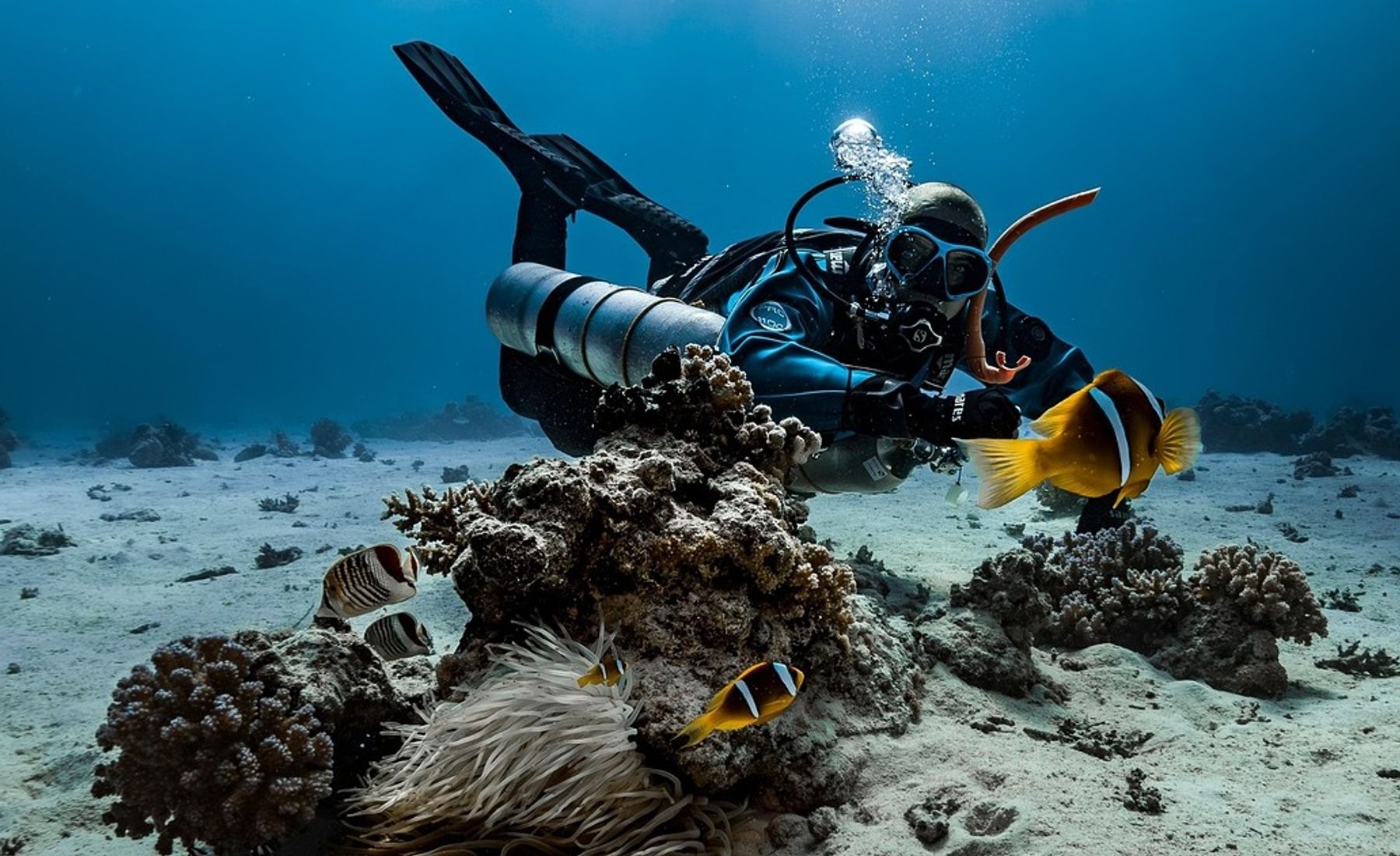
Where can you go snorkelling in Alicante? The Costa Blanca offers crystal-clear coves, rocky seabeds and hidden corners where you can discover the Mediterranean’s marine life.
Some of the best places for snorkelling include Tabarca Island, Cala Granadella, Cala del Portixol and Cabo de las Huertas.
The experience varies depending on the location, the wind and sea conditions. Some spots are accessible from the beach, while others can be explored by boat, provided conditions and navigation regulations allow it.
In this guide, you’ll discover 10 places to go snorkelling in Alicante and along the Costa Blanca, what each one has to offer, and tips on choosing the best time to go and enjoying the water safely.
Why Is Alicante one of the best places in Spain for snorkelling?
If you’ve never been snorkelling on the Costa Blanca, you might be surprised by just how clear the water can be.
For much of the year, particularly from late spring to early autumn, underwater visibility can be excellent.
But it’s not just about crystal-clear water. Alicante has several features that make its coastline an ideal place to explore the underwater world.
These include:
- Clean, clear water.
- Numerous coves sheltered from the waves.
- Rocky seabeds teeming with marine life.
- Posidonia seagrass meadows that help maintain a healthy ecosystem.
- Marine reserves, such as the one around Tabarca.
- Pleasant temperatures for much of the year.
The best part is that you don’t need to travel to a remote destination to enjoy an unforgettable experience.
Just a few metres from the shore, you can discover a completely different landscape from the one you see above the surface.
Do you need experience to go snorkelling?
Not at all. You don’t need any special skills. That’s one of the reasons we recommend this activity to so many of our guests.
Snorkelling is simple, safe and suitable for most people.
You don’t need lessons. You don’t need scuba tanks or a high level of fitness. You simply need to float, breathe calmly and enjoy the experience.
The first time, you might only stay in the water for a few minutes. Then something curious happens: you start noticing little details that would otherwise go unseen.
Sunlight reflecting off the rocks. Schools of salema fish moving together. Sea urchins hiding between the cracks.
Before you know it, you’ve been in the water for half an hour.
What do you need to enjoy snorkelling?
One of the great things about snorkelling is that you need very little equipment. A basic set of gear is enough to enjoy a fantastic experience.
We recommend bringing:
What to bring snorkelling
- A snorkelling mask that fits your face comfortably.
- A snorkel.
- Water shoes or sea shoes to help you get in and out of rocky areas comfortably.
- Water-resistant sunscreen.
- A towel.
- Drinking water to stay hydrated.
- A UV-protective top if you plan to spend a long time in the water.
If you also bring an underwater camera, you’ll probably head home with some of the best photos and videos of your trip.
When is the best time to go snorkelling in Alicante?
Although you can go snorkelling in Alicante for much of the year, our favourite period is from late May to early October.
During these months, the sea usually offers some of the best conditions, particularly in June and September.
Why do we like these months so much? Because they offer almost everything we look for:
- The water is already lovely for swimming.
- There are fewer people than in the height of August.
- The coves are much quieter.
- It’s easier to find spots that feel almost entirely your own.
- Visibility is often excellent.
If you can also get out on the water between early morning and midday, you’ll generally enjoy calmer sea conditions.
And trust us: when the Mediterranean looks like a natural swimming pool, the whole experience changes.
Our favourite way to discover the underwater world
There are several ways to reach a great snorkelling spot.
You can walk to a cove, enter the water from the beach or explore by boat. We know which option we prefer.
Arriving by boat allows you to anchor in quieter places, avoid the busiest areas and enjoy the water from the very first minute, where conditions and local regulations permit.
Often, all it takes is climbing down the boat’s ladder and slipping into the water to find yourself surrounded by fish.
It’s a feeling that’s difficult to put into words. That’s exactly why we continue to recommend snorkelling on almost all our boat trips in Alicante.
| Location | Area | Best for |
|---|---|---|
| Isla de Tabarca | Alicante | Exploring a marine reserve |
| Cala Granadella | Jávea | Scenery and rocky seabeds |
| Cala del Portixol | Jávea | Exploring close to the shore |
| Cala Ambolo | Jávea | Natural surroundings and cliffs |
| Cala Moraig | Benitatxell | Exploring varied seabeds |
| Cabo de las Huertas | Alicante | A spot close to the city |
| Racó del Conill | Villajoyosa | A cove surrounded by nature |
| Cala del Xarco | Villajoyosa | Enjoying a less urban setting |
| Serra Gelada | Benidorm y l'Alfàs del Pi | Dramatic coastal cliffs |
| Playa de la Almadraba | Alicante | An alternative close to the city |
The 10 best places to go snorkelling in Alicante
After many boat trips along the Costa Blanca, we always come back to the same conclusion: every spot has something different to offer.
These are the places we believe no sea lover should miss.
1. Tabarca Island ⭐⭐⭐⭐⭐
If we had to recommend just one place for snorkelling in Alicante, it would be Tabarca. And not simply because its waters are crystal-clear.
What really makes the difference is that Tabarca is home to Spain’s first marine reserve. This means the seabed is much better protected than in many other coastal areas.
As soon as you put your head underwater, you understand why so many people talk about this place.
Schools of fish appear almost immediately. Posidonia seagrass meadows sway with the current, and visibility can be spectacular.
Whenever we take someone to Tabarca by boat for the first time, the same thing happens: for the first few minutes, they barely speak. They simply look around. And that says it all.
What we love most
- Abundant marine life.
- Very clear water.
- Ideal for beginners.
- Great for families.
- Protected seabed.
Our tip
If you can, avoid the middle of the day in August.
Early in the morning or later in the afternoon, the experience can be completely different.
As well as snorkelling, it’s worth spending a few hours exploring the village and enjoying the island at a leisurely pace.
2. Cala Granadella, Jávea ⭐⭐⭐⭐⭐
Few images capture the Costa Blanca better than Cala Granadella.
Its combination of cliffs, turquoise water and rocky seabed makes it one of the most spectacular places for snorkelling.
Marine life here is often concentrated around the rocks.
With a little patience, you may spot salema fish, white seabream, saddled seabream and even small octopuses hiding in the crevices.
What we love most
- Incredibly clear water.
- Rich marine biodiversity.
- Spectacular scenery.
- Ideal for underwater photography.
Our experience
Granadella is one of those places where time seems to disappear.
We often plan to stop for a quick swim, only to end up spending more than an hour in the water.
3. Cala del Portixol, Jávea ⭐⭐⭐⭐
Portixol has a special kind of charm.
Perhaps it’s the small island that shelters part of the cove. Perhaps it’s the colour of the water. Or perhaps it’s the feeling of being surrounded by nature that the area manages to retain, even in summer.
It’s a perfect spot for anyone who enjoys exploring at a leisurely pace.
You don’t need to venture far. Rocky seabeds full of small fish can be found close to the shore.
What we love most
- Calm waters.
- Excellent visibility.
- Varied seabed.
- Ideal for beginners.
Our tip
If you have the chance to arrive by boat, the experience can be even better.
You can anchor away from the beach and access good snorkelling spots without the usual crowds along the shoreline, where anchoring is permitted and conditions allow.
4. Cala Ambolo, Jávea ⭐⭐⭐⭐
If we had to choose a cove that represents the wilder side of the Costa Blanca, Cala Ambolo would probably be our pick.
Surrounded by impressive cliffs and with a largely unspoilt setting, it feels a world away from the busiest tourist areas.
When the sea is calm, the water often has a deep blue colour and exceptional clarity.
Below the surface, the rocky seabed offers plenty to explore, with numerous hiding places for small fish and other marine species.
What we love most
- Spectacular natural surroundings.
- Very good visibility.
- Rocky seabeds full of life.
- A peaceful atmosphere.
Our experience
Whenever we sail along this stretch of coast, we’re amazed by the intensity of the water’s colour.
On some days, it looks almost unreal.
5. Cala Moraig, Benitatxell ⭐⭐⭐⭐
Cala Moraig is one of those beaches that impresses you even before you enter the water.
The towering cliffs surrounding it create a landscape quite different from many other coves around Alicante. But the best part lies beneath the surface.
The seabed combines rock, sand and small Posidonia seagrass meadows, creating a habitat for a variety of marine species.
When the sea is calm, it’s a fantastic place to spend time exploring.
What we love most
- Spectacular scenery.
- Very clean water.
- A varied seabed.
- Ideal for a peaceful swim.
Our tip
Avoid days with strong waves.
When the sea is completely calm, Cala Moraig is at its best.
6. Cabo de las Huertas ⭐⭐⭐
Very close to Alicante city centre, there’s a little treasure that many visitors overlook.
Cabo de las Huertas may not be as famous as Tabarca or Granadella, but it offers several great spots for snorkelling without travelling far from the city.
The rocky areas provide shelter for numerous marine species, and access is relatively straightforward.
It’s an excellent option if you only have a few hours and want to discover the Mediterranean without a long journey.
What we love most
- Close to Alicante.
- Easy access.
- Perfect for a first snorkelling experience.
- Plenty of life among the rocks.
7. Racó del Conill, Villajoyosa ⭐⭐⭐
This is one of those coves people sometimes discover by chance.
Small, peaceful and surrounded by nature, it retains a special atmosphere even during much of the summer.
The water is often very clear, and the rocky seabed offers plenty of places to spot small fish.
We particularly like it because it feels calm and secluded compared with some of the more popular coastal spots.
What we love most
- Peaceful surroundings.
- Crystal-clear water.
- Very good visibility.
- Ideal for relaxing.
8. Cala del Xarco, Villajoyosa ⭐⭐⭐
Cala del Xarco is one of the places we recommend to anyone looking to escape the busiest beaches.
It doesn’t always appear at the top of tourist guides, which is precisely why it retains much of its charm.
The seabed alternates between rock and sand, offering a variety of underwater landscapes.
You can often spot small schools of fish moving among the rocks.
What we love most
- Less crowded surroundings.
- Clean water.
- Ideal for those seeking peace and quiet.
9. Serra Gelada ⭐⭐⭐⭐
Serra Gelada Natural Park protects one of the most spectacular stretches of coastline in the province.
The cliffs drop directly into the sea, creating an impressive landscape both above and below the water.
Snorkelling here is a different experience. It’s particularly worth considering if you already have some experience swimming in open water.
What we love most
- Unique scenery.
- Impressive cliffs.
- Rich biodiversity.
- A sense of adventure.
10. Playa de la Almadraba ⭐⭐⭐
We finish our selection with a much more accessible spot.
Playa de la Almadraba shows that you don’t always need to travel far to enjoy snorkelling.
On calm days, the water can offer good visibility, making it easier to spot small fish, sea urchins and other familiar Mediterranean marine life.
It’s a good place to start before moving on to more challenging locations.
What we love most
- Clear, calm water.
- A variety of marine life.
- Rocky seabeds to explore.
- A peaceful atmosphere.
What marine life can you see while snorkelling in Alicante?
The Mediterranean is full of life, although you often need to stop and look carefully before you begin to notice it.
Among the species we see most frequently are:
Fish and marine life to spot in Alicante
- 🐟 Salema fish, swimming in large schools.
- 🐠 White seabream, curious and easy to observe.
- 🐟 Saddled seabream, especially around rocky areas.
- 🐡 Gilthead seabream, particularly over sandy seabeds.
- 🦔 Sea urchins.
- ⭐ Starfish, when conditions allow.
- 🦀 Small crabs, hiding between the rocks.
- 🐙 Octopuses, if you’re patient and a little lucky.
Every trip is different. Some days you may only see a few fish, while on others the water can feel like a real aquarium.
That’s part of the magic of snorkelling.
A small reminder
We always recommend observing marine life respectfully.
Don’t touch animals. Don’t chase fish. Don’t step on Posidonia seagrass. And avoid taking souvenirs from the seabed.
The best way to protect these places is to leave them exactly as we found them, so everyone can continue enjoying them for years to come.
Tips for making the most of snorkelling in Alicante
You don’t need to be an expert to enjoy the underwater world.
In fact, many people who put on a snorkelling mask for the first time end up saying it was one of the highlights of their holiday.
Still, a few simple tips can make a real difference.
1. Choose the right time of day
Whenever possible, try to get into the water in the morning.
The sea is often calmer, there are fewer boats around, and the light can make it easier to see beneath the surface.
Visibility is often better than later in the afternoon, although conditions vary.
2. Check the sea conditions
Even when the sky is completely clear, the wind can significantly change the conditions in the water.
A little wave action can reduce visibility and make the experience less enjoyable.
If you’re unsure, ask someone who knows the coastline well. Sometimes, simply choosing a different cove can make all the difference.
3. Respect nature
The Mediterranean is a fragile ecosystem. When we go snorkelling, we enter the home of thousands of species.
That’s why we believe it’s worth following a few simple rules:
- Don’t step on Posidonia seagrass.
- Don’t feed the fish.
- Don’t chase marine animals.
- Don’t take shells or starfish.
- Always take your rubbish with you.
Small actions like these help protect these places for future visitors.
4. Take your time
One of the most common mistakes is swimming too quickly. Much of the marine life stays still or moves slowly.
If you slow down and look carefully, you’ll start noticing fish you might otherwise have missed.
It’s an activity that encourages you to pause and take things in. Perhaps that’s one of the reasons people become so fond of it.
The mistakes we see every summer
After many seasons sailing along the Costa Blanca, we’ve noticed a few mistakes that keep coming up. Almost all of them are easy to avoid.
1. Choosing a cove just because it’s popular
Social media is full of spectacular images, but a cove that looks perfect in a photograph may be packed with people when you arrive.
Sometimes, it’s worth exploring less well-known places. The experience can be much better.
2. Forgetting sun protection
When you snorkel, you spend a lot of time with your back exposed to the water’s surface. And the Mediterranean sun can be unforgiving.
Water-resistant sunscreen and a UV-protective top can help prevent a perfect day from ending with sunburn.
3. Thinking the further you swim, the better the seabed will be
Not necessarily. Often, the best spots are just a few metres from the shore or the boat.
It’s not about distance. It’s about knowing where to look.
4. Ignoring the wind forecast
Wind is one of the factors that most affects snorkelling conditions. Even a spectacular cove can lose much of its appeal if the wind makes the water choppy.
That’s why, when we head out by boat, we always adapt our route to the conditions on the day.
Discover Alicante’s underwater world with Aguayate
Many of the places we’ve mentioned in this guide are even more special when you arrive by sea.
Exploring by boat allows you to avoid the busiest beaches, reach quieter coves and choose where to anchor according to the conditions on the day, where local regulations permit.
At Aguayate, we organise private boat experiences in Alicante designed to help you enjoy the Mediterranean at a leisurely pace.
We love sharing those special corners with our guests — places that often go unnoticed by people who only experience the coastline from land.
And if you can combine sailing with a refreshing swim, a snorkelling session and a meal by the sea, you’ll understand why so many people consider it the best day of their holiday.
FAQ
FAQ
Do you need to be a strong swimmer?
It’s best to feel comfortable in the water, but you don’t need to be an expert swimmer.
If you have limited experience, use a buoyancy aid and always practise in calm waters.
When is the best time to go snorkelling in Alicante?
You can enjoy excellent snorkelling conditions from May to October, although our favourite months are June and September, thanks to the pleasant water temperatures and fewer visitors.
Is snorkelling suitable for children?
Yes, provided they are supervised by an adult, use suitable equipment and are comfortable in the water.
Snorkelling often becomes one of the activities children enjoy most during their holidays.
Can you see lots of fish?
Yes, particularly around Tabarca Island and the rocky areas of Jávea.
The amount of marine life you see depends on sea conditions, the time of day and, of course, a little patience.
What equipment do I need?
A good snorkelling mask, snorkel, water shoes and sunscreen are enough to get started.
Is it better to snorkel from the beach or a boat?
Both options are great.
However, arriving by boat can allow you to reach less crowded areas, choose a suitable spot according to the wind and enjoy snorkelling away from the busiest beaches, provided sea conditions and local regulations allow it.